If you're planning a new fence, one of the first questions to ask is whether you need a permit to install a fence in Connecticut. The short answer is: it depends on where you live. Connecticut doesn't have a single statewide fence rule. Instead, permit requirements are set at the town and local level, so what's required in one town might be different in the next. That can feel confusing, but it's usually easy to sort out with a quick call to your local building or zoning office. In this guide, we'll cover when a fence permit is typically needed, what rules often come into play, and how the process usually works. None of this is legal advice, so always confirm the details with your town.
When Is a Fence Permit Usually Required?
In many Connecticut towns, you'll need a permit before installing a fence, especially if it's over a certain height. A lot of towns treat taller fences, often above six feet, differently from shorter ones. Fences around pools are almost always regulated for safety, and there are usually specific height and gate rules for those.
Where your fence sits on the property matters too. Fences near the street, on corner lots, or right on a property line often face extra rules about setbacks and sight lines. The only way to know for sure is to check with your local building department or zoning office before you start. They'll tell you whether a permit is required and what your town expects. It's a quick step that saves you headaches later.
Property Lines, Setbacks, and HOA Rules
Even when a permit isn't required, other rules can still affect your fence. Property lines are the big one. Before you build, it's smart to know exactly where your line is, since a fence in the wrong spot can lead to disputes with neighbors or having to move it later. A property survey clears that up.
Setback rules, which control how far a fence has to sit from the street or property line, are common too. If you live in a community with a homeowners association, the HOA may have its own guidelines on fence height, style, materials, and even color. Those rules are separate from town permits, so check both. Sorting out property lines, setbacks, and HOA rules up front keeps your fence project smooth and avoids expensive surprises down the road.
How the Permit Process Usually Works
The permit process varies by town, but it usually follows a similar path. First, you or your contractor submit an application to the local building or zoning department. That often includes a simple site plan showing where the fence will go, its height, and the materials. Some towns ask for a property survey.
Once it's submitted, the town reviews it and either approves the permit or asks for changes. Fees are usually modest and depend on the town. After approval, the fence can be installed, and some towns do a quick inspection afterward. The timeline ranges from a few days to a few weeks, so it's worth starting early. A contractor who works in your area regularly will often know the local process and can help keep things moving.
Why Work with a Licensed Fence Contractor
A licensed fence contractor takes a lot of the guesswork out of the process. Because we install fences in Connecticut regularly, we're familiar with the kinds of rules towns tend to have and can point you in the right direction early. We can help you plan the fence so it lines up with common height and setback expectations, which lowers the chance of a problem later.
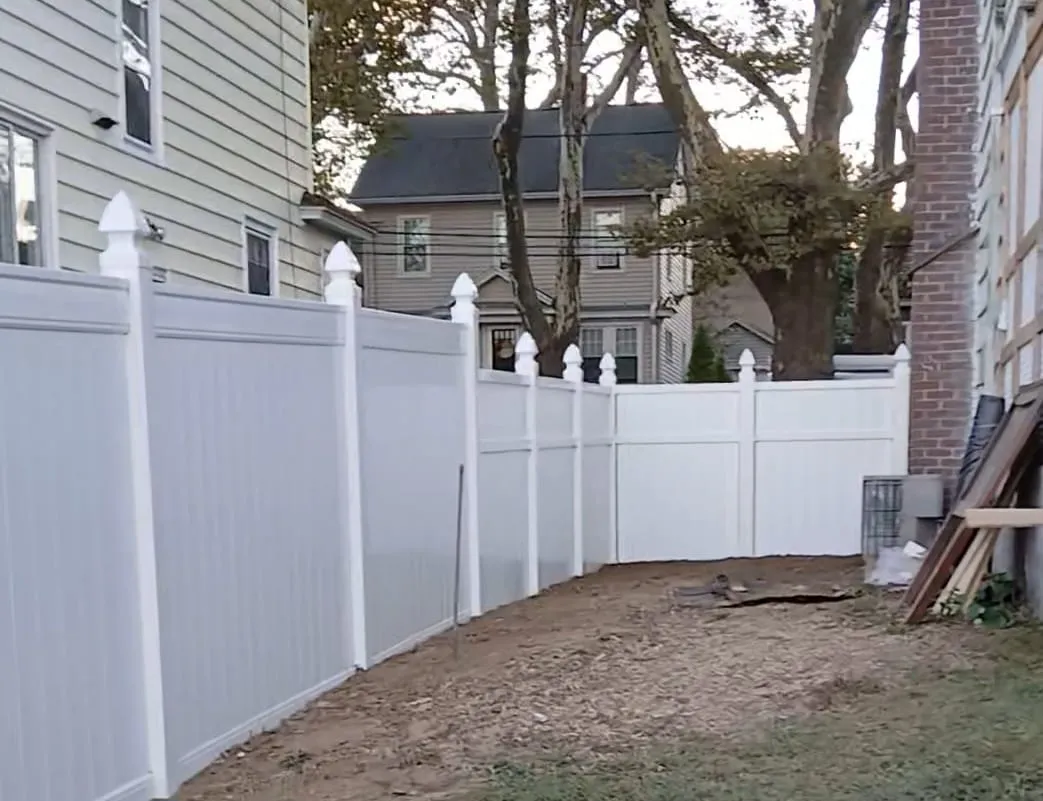
Proper installation matters too. Setting posts on solid footings and getting the layout right keeps your fence straight and standing for years, permit or not. And with vinyl fencing, you get a low-maintenance option that holds up well to Connecticut weather. When you're ready, we'll give you a free estimate and walk you through what your project involves, so there are no surprises.
Frequently Asked Questions
Do all Connecticut towns require a fence permit?
No. Requirements vary by town. Some require a permit for most fences, others only for taller ones or pool fences. Always check with your local office.
How tall can a fence be without a permit?
It depends on your town. Many treat fences over six feet differently, but the exact limit varies. Your building department can give you the number for your area.
Who's responsible for getting the permit?
Either you or your contractor can usually handle it. Many homeowners have their contractor manage it, since we deal with the process regularly.
Do I need a survey to install a fence?
Not always, but knowing your exact property line is smart. Some towns ask for a survey, and it helps you avoid building in the wrong spot.
How long does the permit process take?
It ranges from a few days to a few weeks depending on the town. Starting early keeps your fence project on schedule.
Get Your Vinyl Fence Estimate in Connecticut
Planning a new fence? We'll help you get it right from the start. Reach out for a free, no-obligation estimate on vinyl fence installation.